Young Sherlock: Parkhill on Crafting Holmes' Unwritten History
While many fans might be searching for a detailed Young Sherlock Episode 5 Recap to catch up on the latest twists and turns, the true genius of Prime Video's reimagining of Arthur Conan Doyle's iconic detective lies in its foundational storytelling. Rather than focusing solely on individual installments, showrunner Matthew Parkhill has embarked on an ambitious journey: to meticulously craft the unwritten history of Sherlock Holmes, exploring the formative years that shaped the detached, eccentric, yet undeniably brilliant mind residing at Baker Street.
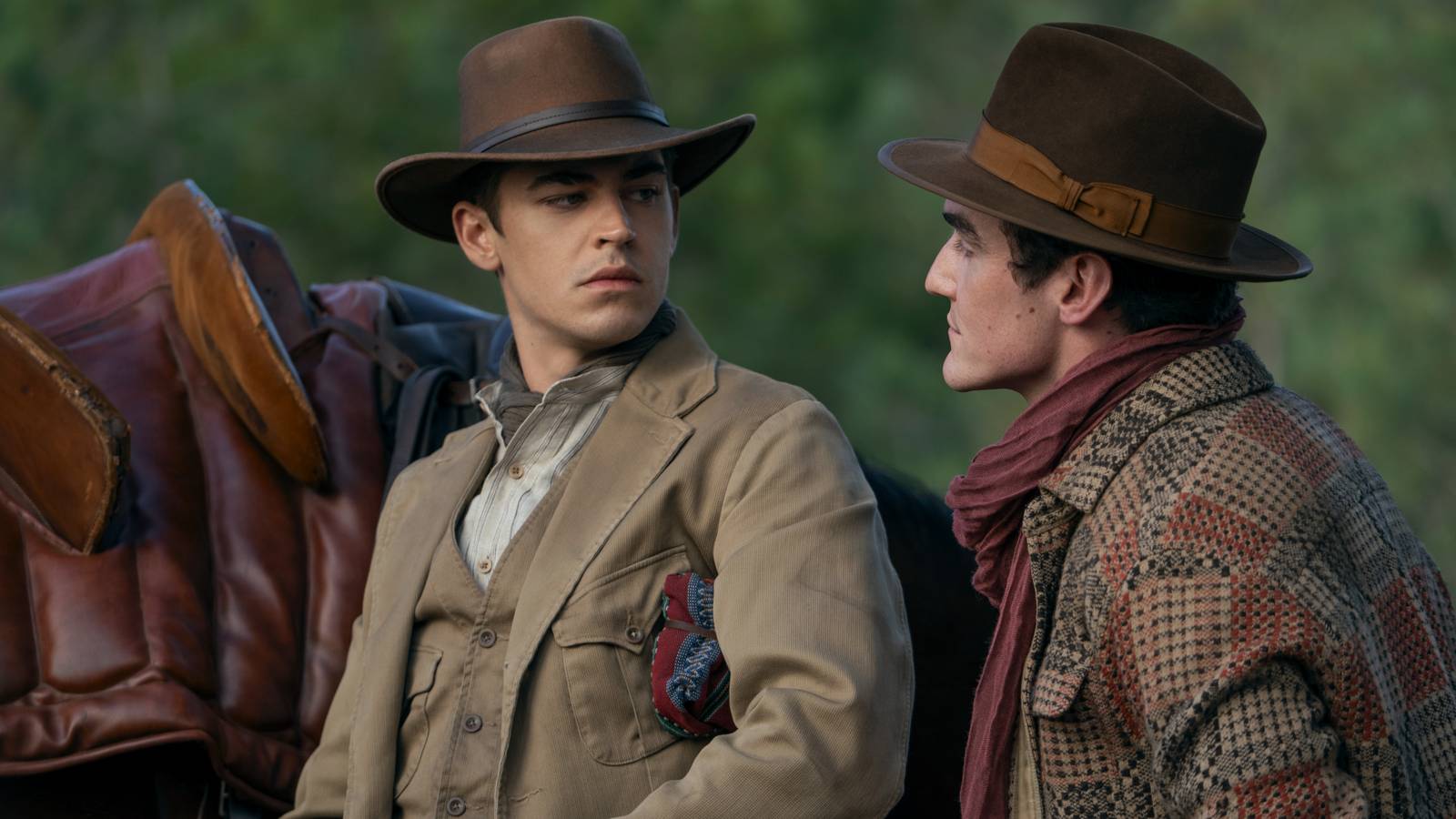
The name Sherlock Holmes resonates across generations, a testament to his enduring appeal. Indeed, in 2012, the Guinness Book of World Records officially recognized him as the most portrayed literary human character in film and TV history. From the classic interpretations of Basil Rathbone and Jeremy Brett to modern takes by Benedict Cumberbatch and Robert Downey Jr., Holmes has been a constant presence on screen. Yet, the prequel series Young Sherlock dares to peel back the layers, introducing viewers to an "anarchic adolescent" (played by Hero Fiennes Tiffin) long before he became the world's greatest consulting detective.
Matthew Parkhill, the visionary behind this new series, expressed his profound interest in the psychological underpinnings of the character. "He is this brilliant man, obviously, but the Conan Doyle Sherlock is also a very odd character," Parkhill shared with Variety. "He's very eccentric. He's very detached. He's very strange. He's very much an outsider in many, many ways. He hasn't really got any friends; he has one friend, Watson, and even that is not an equal friendship. So I was very interested psychologically in this idea of what made him become that person." This focus on the 'making of' Sherlock is precisely where the show finds its unique voice, inviting audiences to witness the evolution of a legend.
Reimagining a Legend: The Genesis of Young Sherlock
The daunting task of adding to the immense legacy of Sherlock Holmes is not lost on Parkhill. With a century of adaptations, the weight of canon is considerable. However, by focusing on Holmes' youth, Young Sherlock carves out its own creative territory. Executive produced by Guy Ritchie, who previously directed two successful Sherlock Holmes films starring Robert Downey Jr., and drawing inspiration from Andrew Lane's popular young-adult novels, the eight-part first season is a deep dive into the detective's formative years.
The narrative kicks off with Sherlock being wrongfully accused of murdering an Oxford professor. This pivotal event propels him into a world of intrigue and conspiracy, forcing him to forge an unlikely alliance with his new acquaintance and, ominously, future adversary, James Moriarty (Dónal Finn). Together, they unravel an international conspiracy, a path that ultimately leads back to Sherlock's enigmatic and long-absent father, Silas. Viewers discover midway through the season that Silas (played by Joseph Fiennes, Hero Fiennes Tiffin's maternal uncle) is a power-hungry, nefarious businessman intent on revolutionizing warfare with a deadly chemical agent. This clever casting choice not only adds a layer of familial connection but also deepens the emotional stakes of the unfolding drama.
Crafting Holmes' Unwritten Past: Parkhill's Creative Playground
Parkhill's approach to the series isn't a direct adaptation of existing texts but rather an exploration of the vast, unexplored territory before the events of A Study in Scarlet, Conan Doyle's first Sherlock Holmes novel. "I don't see it as an adaptation, which might sound like a strange thing, because I didn't adapt the books," Parkhill explained. "There's a huge weight on you when you do something like this... I said to myself quite early on, 'I'm not going to touch anything after A Study in Scarlet' — the first book — 'but before that is my playground.'"
This philosophy granted the creative team immense freedom to invent new scenarios, characters, and psychological motivations, all while remaining true to the spirit of the original character. The show becomes a canvas for imagining the incidents, relationships, and traumas that would forge the iconic detective we know. It's a bold move that allows the series to feel fresh and original while still deeply rooted in Holmesian lore. For a deeper look into the conceptual groundwork, check out our article on Unpacking Young Sherlock: Origin Story & Adolescent Anarchy.
The Core Relationship: Holmes and Moriarty's Evolving Dynamic
One of the most compelling aspects of Young Sherlock, as highlighted by Parkhill, is the reimagined relationship between Holmes and Moriarty. Traditionally portrayed as arch-nemeses, their initial partnership in the series offers a fascinating glimpse into the origins of their complex bond. "He thinks the heart of this show... is the reimagined relationship between Holmes and Moriarty," Parkhill stated, confirming the centrality of this dynamic.
This initial collaboration, where they unite against a common foe, lays the groundwork for their eventual, tragic rivalry. It introduces a nuanced layer, suggesting that perhaps their connection wasn't always one of pure animosity but began with a shared intellectual curiosity and even a peculiar camaraderie. This setup allows the series to explore themes of nature versus nurture, the fine line between genius and madness, and how early experiences can shape destinies, whether towards heroism or villainy. The multi-season arc, which Parkhill has already mapped out, promises a slow burn towards their inevitable confrontation, making their current alliance all the more poignant. To learn more about this pivotal relationship, explore Young Sherlock's Moriarty Twist: Unraveling Conspiracy & Family Lies.
Beyond Episode 5: Delving into the Season's Deeper Themes
While a specific Young Sherlock Episode 5 Recap isn't available from the provided context, the overarching themes woven throughout the season offer rich material for discussion. The series delves into complex issues such as family secrets, betrayal, and the moral ambiguities that arise when ambition crosses into nefarious territory. Silas Holmes' character, a power-hungry businessman seeking to weaponize chemical agents, serves as a powerful antagonist who directly impacts Sherlock's personal journey and worldview.
The casting of Joseph Fiennes as Silas and Hero Fiennes Tiffin as Sherlock adds an intriguing layer of verisimilitude. The real-life familial connection between uncle and nephew naturally enhances the on-screen dynamic, bringing an unspoken history and intensity to their interactions. This decision was a deliberate creative choice by Parkhill, aimed at deepening the emotional resonance of the father-son relationship and the internal conflicts that young Sherlock faces as he uncovers the truth about his heritage.
The international conspiracy at the heart of the series provides a grand backdrop against which Sherlock's developing detective skills are honed. Each puzzle piece, each clue uncovered, not only propels the plot forward but also contributes to the psychological development of a character destined to become a master of deduction. It’s a compelling journey that examines how a detached observer processes profound personal revelations and navigates a world far more dangerous and complex than he initially imagined.
Tips for Unpacking a Classic Character's Origin Story
For creators and fans alike, Young Sherlock offers valuable insights into how to approach the origin story of a beloved, classic character:
- Identify the Core Traits: Pinpoint the defining characteristics of the adult character (e.g., Holmes' detachment, brilliance, eccentricity) and then explore what early experiences could have fostered these traits.
- Find the "Unwritten History": Look for gaps in the existing canon. What aspects of their past are left vague or entirely untouched? This is your "playground" for creative exploration.
- Introduce Formative Relationships: Examine how early friendships, rivalries, and family dynamics could have shaped their personality and moral compass. The Holmes-Moriarty dynamic is a prime example.
- Ground it in Psychological Depth: Instead of just recounting events, delve into the 'why.' What psychological needs, traumas, or revelations drive the young character's actions and development?
- Balance Canon with Innovation: While respecting the established lore, don't be afraid to take bold creative liberties. The goal is to provide a fresh perspective that enriches, rather than contradicts, the original.
By following these principles, Matthew Parkhill and his team have not merely retold a story but have enriched the tapestry of the Sherlock Holmes universe, offering a compelling narrative that stands on its own while honoring its legendary source material.
Conclusion
While specific episode recaps are essential for following a series week-to-week, the true narrative power of Young Sherlock lies in its ambitious exploration of an icon's unwritten history. Matthew Parkhill's vision, coupled with compelling performances and a rich storyline, meticulously crafts the journey of an "anarchic adolescent" into the world's greatest detective. By delving into the psychological roots of Holmes' character, reimagining crucial relationships like that with Moriarty, and establishing a thrilling international conspiracy, the series offers a fresh and valuable addition to the enduring legend. It’s a testament to the idea that even the most well-known stories still hold hidden depths waiting to be explored, providing audiences with not just entertainment, but a profound understanding of what made Sherlock Holmes, Sherlock Holmes.