Unpacking Young Sherlock: Origin Story & Adolescent Anarchy
Sherlock Holmes. The very name conjures images of deductive brilliance, a pipe, and Baker Street's fog-laden mysteries. It's a testament to Arthur Conan Doyle's enduring creation that, as the Guinness Book of World Records declared in 2012, Holmes holds the title of the most portrayed literary human character in film and TV history. From the intellectual gravitas of Benedict Cumberbatch to the action-packed charisma of Robert Downey Jr., and the classic interpretations by Basil Rathbone and Jeremy Brett, the detective has graced screens in countless forms. Yet, Prime Video's new series, "Young Sherlock," dares to peel back the layers even further, introducing us to an anarchic adolescent Holmes, still raw, still evolving, and far from the consulting detective we know.
While specific, detailed plot summaries for every episode, including a comprehensive
Young Sherlock Episode 5 Recap, might not be widely available yet, we can delve into the overarching narrative and the creative vision that shapes this pivotal mid-season installment. Based on showrunner Matthew Parkhill's insights and the season's core arc, Episode 5 would undoubtedly be a crucial juncture, revealing key twists and deepening the psychological foundations of its legendary characters.
The Anarchic Adolescent: Redefining Sherlock's Youth
At the heart of "Young Sherlock" lies a radical reimagining of the iconic detective. Played by "After" star Hero Fiennes Tiffin, this younger Sherlock is a far cry from the composed intellectual. Showrunner Matthew Parkhill explains that he was "very interested psychologically in this idea of what made him become that person." The canonical Sherlock is famously eccentric, detached, and an outsider with only one true friend, Watson, whose companionship isn't even truly equal. "Young Sherlock" seeks to explore these nascent traits, showing us the tumultuous journey of a brilliant mind yet to find its anchor.
This departure from the established character isn't just for shock value; it's a deliberate creative choice. Parkhill explicitly states he doesn't view the series as a strict adaptation but rather as an exploration of the detective's unwritten past. He set a clear parameter: "I'm not going to touch anything after 'A Study in Scarlet' — the first book — but before that is my playground." This allows for immense creative freedom, moving beyond the shadow of countless brilliant predecessors and offering a fresh perspective on a character many thought they knew intimately. It's an opportunity to witness the formation of the detective's singular personality, the trauma, the friendships, and the betrayals that forge the mind behind the deerstalker.
Unraveling the Mid-Season Mystery: What Young Sherlock Episode 5 Likely Entails
For an eight-part series,
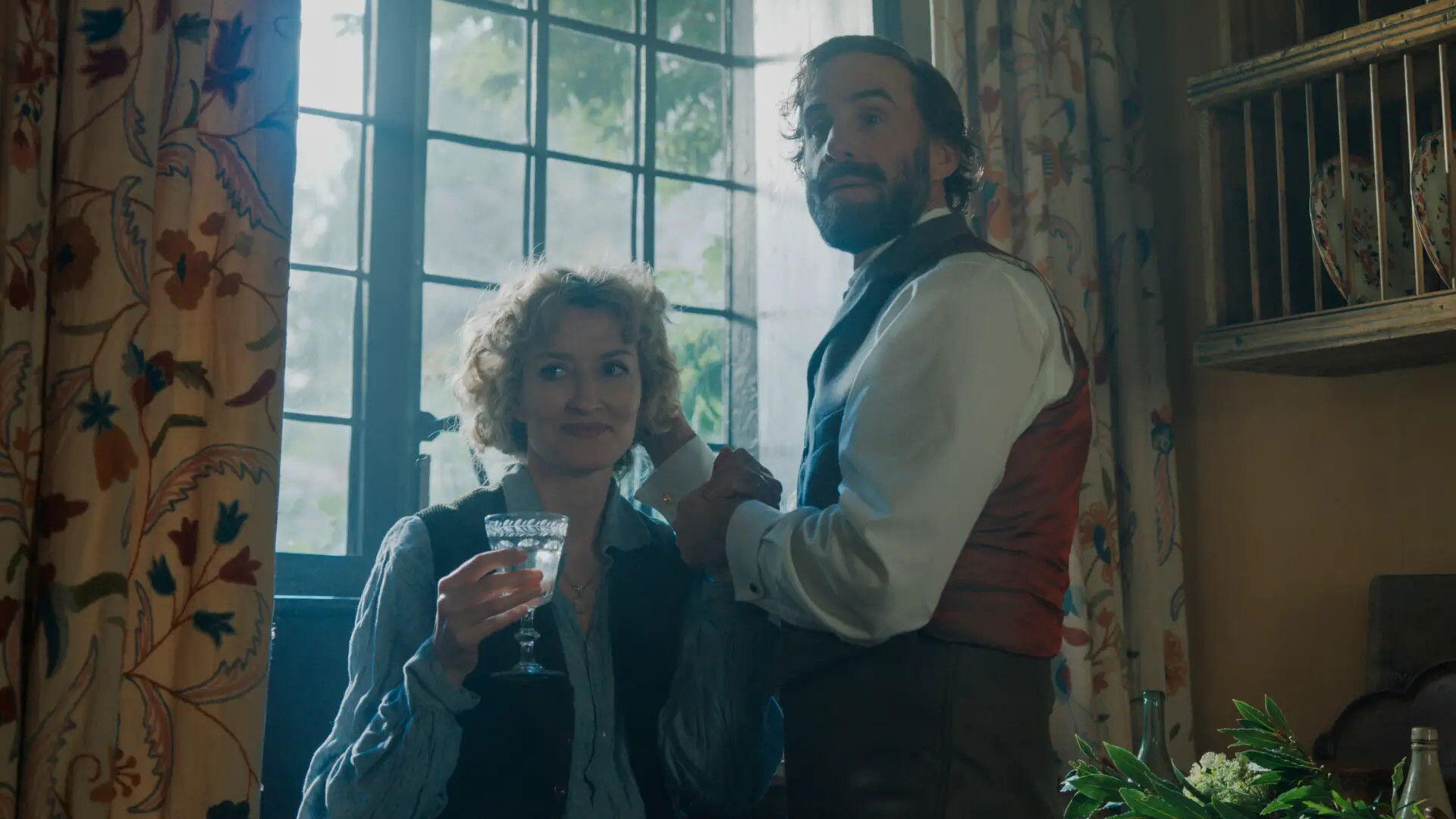
Young Sherlock Episode 5 would represent a significant turning point, likely building upon the initial mysteries and escalating the stakes dramatically. The season begins with Sherlock being wrongfully indicted for the murder of an Oxford professor, plunging him into a labyrinthine international conspiracy. It's during this chaotic period that he forms an unlikely alliance with James Moriarty (Dónal Finn), his future nemesis.
The provided context reveals a critical mid-season twist: viewers learn that Sherlock's absentee father, Silas, is in fact a power-hungry, nefarious businessman intent on revolutionizing warfare with a deadly chemical agent. Given this reveal happens "midway through the season," it's highly probable that Episode 5 or its immediate vicinity would be where this shocking truth comes to light, or at least where the pieces begin to fall into place in a significant way.
Imagine the emotional weight of such an episode. Sherlock, already struggling with his father's absence, would confront a betrayal of unimaginable scale. This personal trauma, intertwined with the global conspiracy, would undoubtedly be a pivotal moment in shaping the detective's nascent distrust of authority and his fierce independence. The episode would likely deepen the mystery surrounding Silas's motives and the scope of his network, pushing Sherlock and Moriarty further into their dangerous investigation. This discovery would not only propel the season's overarching plot but also profoundly influence Sherlock's character development, perhaps even laying the groundwork for his later emotional detachment.
To understand the full impact of these developments, one might delve into
Young Sherlock: Parkhill on Crafting Holmes' Unwritten History, which further illuminates the showrunner's commitment to exploring these foundational experiences.
The Formative Alliance: Holmes and Moriarty's Unconventional Beginning
One of the most intriguing aspects of "Young Sherlock," and a central focus for showrunner Matthew Parkhill, is the reimagined relationship between Holmes and Moriarty. Far from being immediate arch-rivals, they begin as reluctant allies, united by the wrongful accusation and the unfolding conspiracy. This dynamic is critical for the series, as Parkhill believes the heart of the show lies in this complex bond. Moriarty is described as Sherlock's "new friend and future foe," a relationship far more nuanced than the simple villain-hero dichotomy.
This early connection provides a unique opportunity to explore the psychological underpinnings of their legendary rivalry. What makes them initially compatible? What subtle differences, or shared dark mirrors, set them on a collision course? Understanding this formative alliance is key to appreciating the show's long-term vision, which Parkhill has already mapped out across multiple seasons. An episode like
Young Sherlock Episode 5 would be instrumental in demonstrating the deepening complexities of this relationship, perhaps showing moments of genuine camaraderie juxtaposed with nascent hints of their inherent opposition.
This intricate dance between future adversaries is a bold storytelling choice, allowing the series to explore themes of trust, betrayal, and the nature of genius in a way no previous Sherlock adaptation has. The choice to cast two generations of the Fiennes family – Hero Fiennes Tiffin as Sherlock and his maternal uncle Joseph Fiennes as Silas – adds another layer of familial intrigue, echoing the profound impact personal connections have on the developing detective. This clever casting decision reinforces the show's focus on the emotional and psychological journey of its protagonist. For a deeper look into this fascinating dynamic, consider reading
Young Sherlock's Moriarty Twist: Unraveling Conspiracy & Family Lies.
Crafting an Unwritten History: Parkhill's Creative Latitude
The pressure of adapting such a revered literary hero is immense. Many brilliant writers and actors have left their mark on Sherlock Holmes. Parkhill's genius lies in sidestepping direct adaptation, instead finding a "sense of creative space" in the pre-canon era. This "playground" before "A Study in Scarlet" allows for the development of original storylines and character arcs that nonetheless feel authentic to the spirit of Doyle's work. It's not about contradicting the canon, but about enriching it with a detailed, compelling backstory that explains the eccentricities and genius we later come to know.
The showrunner's psychological approach to Sherlock's development, coupled with Guy Ritchie's executive production (a director familiar with injecting vigor into Holmes narratives), suggests a series that is both deeply character-driven and action-packed. This blend promises an engaging experience, offering insights into the detective's motivations and fears long before he takes up residence on Baker Street.
Conclusion
"Young Sherlock" presents a captivating and audacious exploration of a literary icon's formative years. By focusing on an "anarchic adolescent" version of the detective, the series embarks on a psychological journey to uncover the origins of his brilliance and his peculiarities. While a direct, detailed
Young Sherlock Episode 5 Recap highlights a specific point in the season, the episode would be a crucial turning point, revealing devastating family secrets and escalating the international conspiracy. It's here, midway through the eight-part season, that Sherlock's relationship with Moriarty is tested, and the foundations for his future self are irrevocably laid. The series promises to be an essential watch for fans eager to witness the untold story of what made Sherlock Holmes the legend he became.